

Turn complex evidence into a coherent scientific story.
OdysseaBio helps life-science teams work out what their evidence supports, and hold that narrative together as the evidence grows.
When the narrative fragments
Evidence accumulates. Interpretations diverge.
The rationale, limitations, and potential differentiation become harder to explain consistently.
We rebuild the argument from the evidence.
What it supports. What remains uncertain. How the pieces fit together. How new findings change the story.
A narrative that holds together is easier to communicate and defend.
Two complementary perspectives
Our experience spans different points in the evidence pathway, from translational science and scientific narrative through clinical evidence, value, and reimbursement.
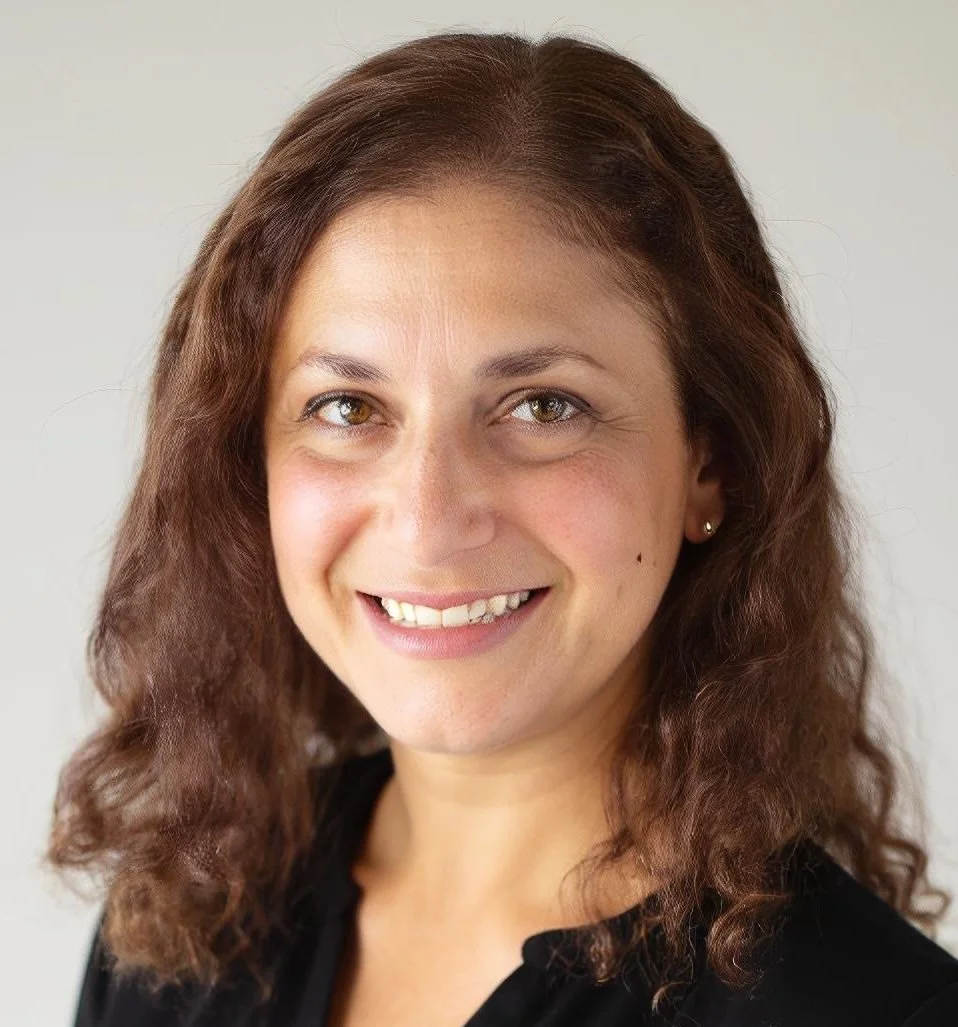
Deborah Maret, PhD
Scientific Narrative & Evidence Communication
Glioblastoma research from early through clinical stages, then scientific and medical communications across publications, Medical Affairs, and content for professional and public audiences. Deborah reads complex evidence from a translational standpoint: what the science shows, and how far it has travelled.
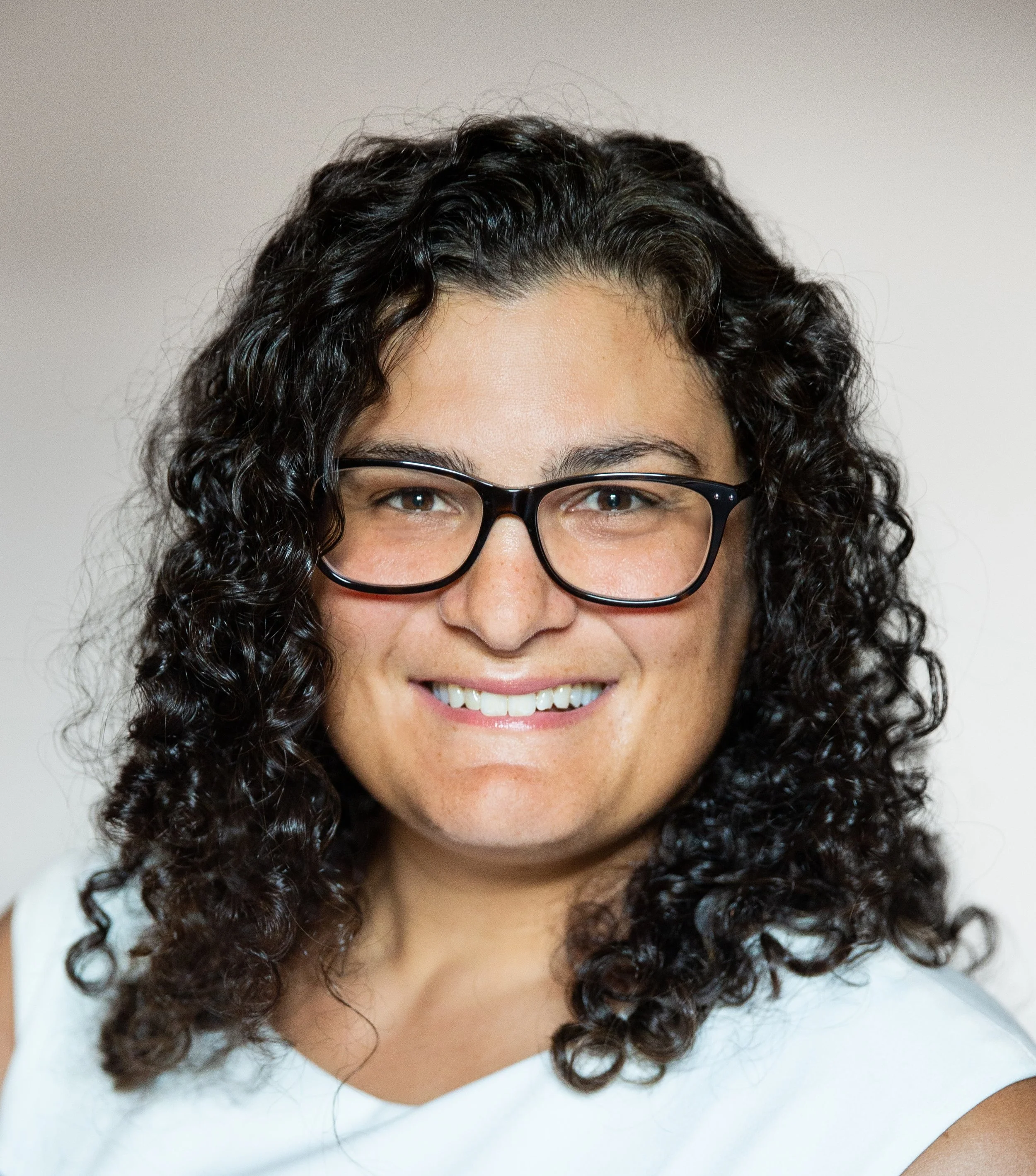
Georghia Michael, PhD
Clinical Evidence & Value Communication
Cardiovascular research, then evidence synthesis, clinical practice guidelines, publications, and health technology assessment. Georghia has seen how evidence is judged by the people who decide whether a treatment is used and funded.
What we do, and how to start
Determining what the evidence supports
Evidence synthesis and interpretation
Scientific narrative development
Scientific communication platforms
Stakeholder questions and evidence gaps
Scientific review of existing materials
Turning it into communications
Manuscripts, abstracts, and publication planning
Key opinion leader materials
Value and health-economic communications
Real-world evidence communications
How we read the evidence
We separate what the evidence shows from what it suggests.
We make gaps and limitations explicit.
We keep conclusions proportionate to the study design, outcomes, and data available.
We place each finding in context and identify what it changes in the wider scientific story.
If the evidence will not support a claim, we tell you before someone else does.
What's the problem you're trying to solve?